
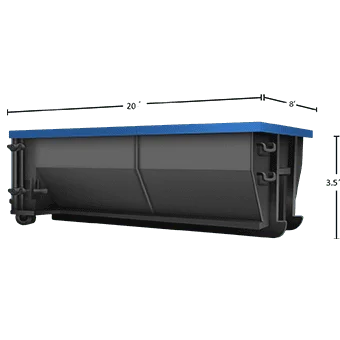
Prepare the position before the first strip-out
Ask the property representative and provider to review the proposed location, surface and vehicle movement. Include overhead and side obstructions, doors and the routes that must remain available. Do not begin piling debris in the intended container position or assume street placement is permitted.
Give the loading crew the accepted scope
Share the provider’s material instructions with everyone loading, including later trades. Keep excluded or uncertain material separate. Dense debris can reach an agreed weight limit before a container looks full, so follow the provider’s loading instructions rather than judging the order solely by visible space.
Decide what happens when a haul is needed
If another work stage depends on clearing the container, discuss that dependency before booking. Ask how pickup or an exchange is requested and confirmed, and where accepted material can safely wait if plans change. Keep the vehicle route open; a container surrounded by the next delivery cannot simply be lifted through it.
Questions before you book
Can a roll-off be used as a platform or equipment store?
Use it only as the provider permits. Do not treat a waste container as a working platform or place unrelated equipment where it interferes with loading or collection.
Does a container's size guarantee it can take all my debris?
No. Material acceptance, weight and loading limits matter as well as volume. Describe the debris and ask for a suitable arrangement.