
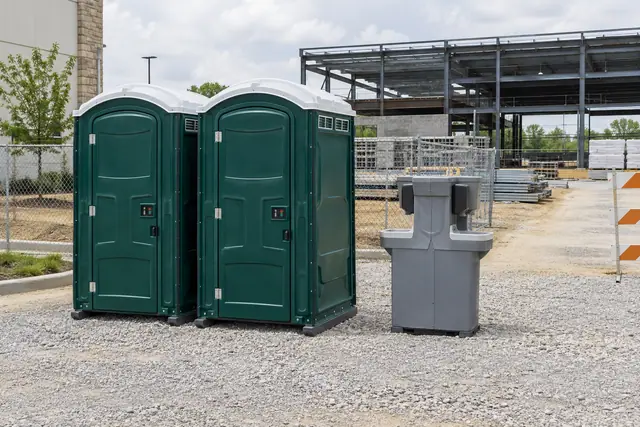
Identify the conflict before placing the unit
Describe haul routes, reversing areas, crane work and material unloading to the site lead and provider. They should assess a position that keeps restroom users away from active hazards while allowing safe servicing. Do not offer a convenient corner without explaining the operations around it.
Give the layout a day-to-day owner
Tell supervisors where materials and parked vehicles must not obstruct the toilet or its approach. Include the arrangement in site induction. A daily visual check can identify a blocked door, damaged unit or inaccessible washing station before the next break, but it is not a substitute for professional servicing.
Escalate a layout change instead of dragging equipment
When a work phase conflicts with the agreed location, ask the provider about repositioning. The new surface, route and servicing access need review. If the current facility cannot be safely used, the site lead should arrange a suitable interim option and advise the crew rather than leaving them to improvise.
Questions before you book
Can the toilet sit beside a temporary access road?
The proposed location needs assessment against the actual traffic and work activities. Roadside convenience does not establish a safe position or permission to use that land.
Who handles cleaning and tank servicing?
Confirm those duties in the rental scope. Site staff can report conditions and keep access clear; they should not undertake tank work or unapproved equipment repairs.